Scholarships Themes

Sufficiency Economy Philosophy (SEP) for Sustainable Development Goals (SDGs)
Main Goal
Related Scholarships
Area of Focus
Understanding the fundamental principles of the Sufficiency Economy Philosophy and its application at individual and community levels.
- Applying SEP in various development dimensions:
- Agriculture such as integrated farming and organic farming, etc.
- Community development such as sufficiency economy villages, etc.
- Community economic development such as community enterprises, community funds and cooperatives, etc.
- Sustainable tourism such as ecotourism including sufficiency economy villages for tourism, etc.


Health and Wellness
Main Goal
To strengthen knowledge and capacity in public health management through areas such as primary health care, community health systems, and universal health coverage. The field also focuses on enhancing preparedness and response to communicable and non-communicable diseases, while promoting wellness, healthy living, and overall well-being across all stages of life.
Related Scholarships
Area of Focus
- Strengthening communities’ capacity in public health management to foster community health such as promotion of community health systems, development of public health volunteers, establishment of community health funds, formulation of community health plans, community database development, etc.
- Strengthening health systems in terms of policies, budgets and universal health coverage.
- Enhancing primary health care such as maternal and child health management, pre-school health, children empowerment in the community, and prevention of social problems among children such as mental illnesses, unplanned pregnancy, etc.
- Preparing for an aged society to reduce the overall socio-economic impacts caused by changes in the demographic structure, including the application of technology, innovation and automation to support the aged society.
- Promoting occupational health by ensuring safe environment at workplaces, providing proper occupational tools for the safety of workers and preventing work-related diseases or symptoms such as respiratory diseases as a result of air pollution exposure, musculoskeletal disorders, office syndrome, etc.
- Enhancing preparedness and response to emerging and re-emerging diseases, improving surveillance systems, and strengthening community resilience to public health emergencies.
- Addressing non-communicable diseases (NCDs) through preventive measures, lifestyle modification, and community-based interventions that promote healthy living.
- Promoting wellness and holistic well-being, including mental health promotion, physical fitness, nutrition awareness, and wellness tourism as a means to support both individual health and local economic development.



Agriculture and Food Security
Main Goal
Related Scholarships
Area of Focus
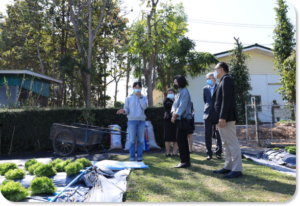
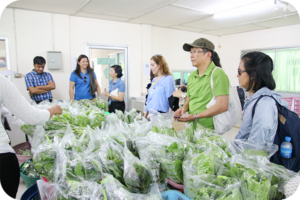
- Sustainable agriculture for adequate, safe and nutritious food by developing agricultural infrastructure to ensure the stability of production systems and reduction of losses from post-harvest operations and food production which complies with standards and quality.

Climate Resilience
Main Goal
To share knowledge, experiences, and practical solutions for addressing climate change and environmental challenges. This field focuses on strengthening climate resilience through sustainable use of natural resources, mitigation of environmental impacts, adaptation to climate variability, and effective response to natural disasters, aiming to foster sustainable and resilient communities.
Related Scholarships
Area of Focus
- Assessing future risks caused by climate change in the agriculture and tourism sectors such as impacts on agricultural products, water sources, water basins and coastal areas, etc.
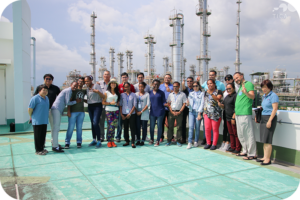
- Restructuring energy production and consumption such as energy transition from fossil fuels to electrification, use of locally-produced biomass as an alternative source of renewable energy, adopting environmentally sound technologies (ESTs) to help reduce environmental problems, etc.
- Adding value to bio resources by integrating local knowledge with emerging technology and innovations; promoting sustainable economic development through responsible production and consumption such as designing the production process to achieve minimum or zero waste, implementing the concepts of 3Rs (reduce, reuse and recycle), etc.
- Promoting urban agriculture to encourage the circular use of resources by maximizing the limited space available and promoting robust urban ecosystems.


Trade and Economy
Main Goal
To enhance understanding and capacity in driving sustainable economic growth through innovation, technology, and inclusive development. This field aims to strengthen knowledge and practices in trade, investment, and economic transformation by integrating sustainability, digitalization, and creativity to promote balanced and resilient economies.
Related Scholarships
Area of Focus
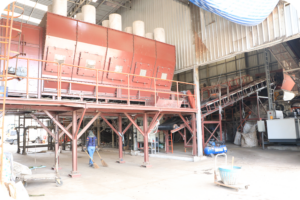
Promoting the Bio-Circular-Green (BCG) Economy Model to achieve sustainable and balanced economic growth: (1) Bio Economy – Efficient and sustainable use of biological resources, including value-added agricultural products, bio-based materials, pharmaceuticals, and utilization of agricultural waste. (2) Circular Economy – Resource efficiency and waste reduction through recycling, product redesign, and innovation in sustainable materials and production processes. (3) Green Economy – Environmentally friendly growth through clean energy, natural resource conservation, pollution management, and low-carbon or green tourism initiatives.
- Fostering emerging economic trends to enhance competitiveness and inclusiveness:
- Tourism and Creative Economy – Integrating creativity, innovation, and cultural assets to develop distinctive tourism products and creative industries such as food, handicrafts, and cultural goods.
- Halal Industry – Strengthening standards and value chains to expand opportunities in the global halal market.
- Digital Economy – Applying digital technology and innovation to enhance productivity, connectivity, and business transformation.
- Entrepreneurship and MSME Development – Building capacity and digital skills for modern entrepreneurs and small businesses to thrive in dynamic markets.
- Supply Chain, Transport, and Logistics – Improving infrastructure and connectivity to support efficient trade and regional integration.


Inclusive Development
Main Goal
To promote inclusive and equitable development that leaves no one behind by advancing human rights, gender equality, and social protection. This field aims to strengthen capacities in social welfare and community resilience, particularly for vulnerable groups, to ensure equality of opportunity, dignity, and sustainable human security.
Related Scholarships
Area of Focus
- Human Rights and Gender Equality – Promoting equality, empowerment, and participation of all groups, including initiatives supporting women’s leadership and protection of fundamental rights.
- Social Welfare and Protection Systems – Enhancing policies and mechanisms that ensure access to essential services and social safety nets for all, especially vulnerable populations.
- Empowerment of Vulnerable Groups – Building resilience and improving quality of life for children, the elderly, persons with disabilities, the homeless, disadvantaged groups, and victims of human trafficking.
- Inclusive Disaster and Crisis Management – Integrating the needs of vulnerable populations into disaster preparedness, response, and recovery planning.
- Emerging Social Security Issues – Addressing new and cross-cutting security challenges such as transnational crime, cybercrime, and cybersecurity to safeguard communities and promote social stability.

Science, Technology and Innovation (STI) for Development
Main Goal
To strengthen knowledge and capacity in applying science, technology, and innovation to support sustainable economic and social development. This field aims to enhance technological capabilities, promote digital transformation and innovation, and leverage emerging technologies such as artificial intelligence (AI) and forensic science for inclusive and resilient growth.
Related Scholarships
Lorem ipsum dolor sit amet, consectetur adipiscing elit. Ut elit tellus, luctus nec ullamcorper mattis, pulvinar dapibus leo.
Area of Focus
- Science and Technology for Development – Promoting the application of scientific knowledge and technological advancement to address development challenges and improve quality of life.
- Innovation and Digital Transformation – Encouraging innovation ecosystems, research and development, and digital solutions to enhance productivity, competitiveness, and sustainability in various sectors.
- Artificial Intelligence (AI) and Emerging Technologies – Building understanding and capacity in AI, data analytics, and other advanced technologies to support evidence-based decision-making and smart governance.
- Forensic Science and Security Technologies – Strengthening the role of forensic science and technology in upholding justice, public safety, and national security.
- Technology and Innovation Policy – Enhancing institutional and policy frameworks that promote innovation-driven development and international cooperation in STI.
